By Fresh Facts Magazine –
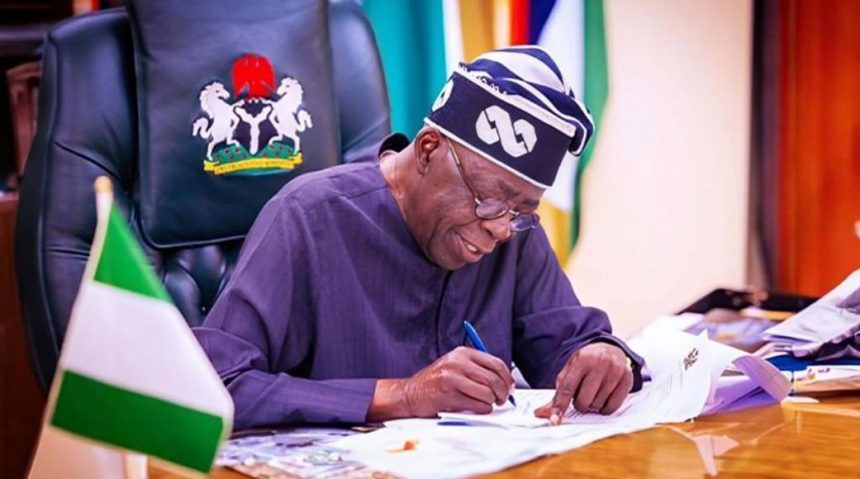
When President Bola Ahmed Tinubu signed the Nigeria Tax Administration Act, 2025, into law, the government declared it a bold step toward strengthening fiscal discipline. From January 1, 2026, every taxable Nigerian—individual or corporate—must obtain a Taxpayer Identification Number (Tax ID) to use bank accounts, access financial services, or conduct business with government. Even foreign firms supplying goods and services in Nigeria will be compelled to register.
On paper, the law sounds progressive. Nigeria’s tax-to-GDP ratio, at around 10%, lags behind many African peers. Widening the tax net seems logical. But a closer look reveals worrying gaps, potential abuses, and the likelihood that ordinary citizens will bear the heaviest burden.
A Law Aimed at the Wrong Target?
The policy assumes that tax evasion is rampant among everyday Nigerians. Yet, the bulk of untaxed wealth resides in the hands of the elite—politicians, big corporations, and high-net-worth individuals who often exploit loopholes or rely on political connections to escape tax obligations.
“If they are serious, let them start with the billionaires and politicians who hide money abroad,” says Fatima Yusuf, a trader at Lagos Island Market. “Instead, they are chasing poor people like us who barely survive on daily sales.”
Banking as a Weapon of Compliance
By linking Tax IDs to bank accounts, the government is effectively weaponising financial access. Millions of Nigerians in the informal sector—where over 60% of the workforce operates—may find themselves locked out of banking entirely.
“This will discourage many from using banks,” warns Chinedu Okeke, a commercial motorcyclist in Enugu. “If opening account means government will start dragging me for tax, I will just keep my money at home.”
Corruption in the Waiting Room
Nigeria’s history of bureaucratic processes is plagued with rent-seeking. The issuance of Tax IDs could become another revenue stream—not for the state, but for corrupt officials demanding “facilitation fees.”
“I remember how people suffered to get their National ID cards,” recalls Mrs. Ojo, a civil servant in Ibadan. “If Tax ID follows the same pattern, many will end up paying bribes just to get it done quickly.”
The Trust Deficit
Why should Nigerians rush to pay taxes when they see little evidence of accountability? Roads remain cratered, hospitals underfunded, and electricity unreliable, despite billions in revenue.
“As a freelancer, I already pay multiple levies online—VAT, platform fees, bank charges,” says Olamide Akinyemi, a graphic designer in Abuja. “Yet, I cannot point to a single government service that helps me. This new Tax ID feels like extortion.”
Resistance on the Horizon
Civil society groups warn that without exemptions for low-income earners, the law amounts to financial disenfranchisement. Banks, too, fear losing millions of account holders unwilling or unable to meet the new requirement.
Even some financial experts doubt the feasibility. “Implementation is everything,” says a senior banker who requested anonymity. “If not handled carefully, this policy could shrink the banking sector’s customer base instead of growing tax revenue.”
Final Word
The Nigeria Tax Administration Act, 2025, is being sold as a cure for weak revenue collection. But unless loopholes for the rich are closed, corruption curbed, and trust rebuilt, it risks becoming another punitive measure that squeezes ordinary Nigerians while the elite continue to dodge responsibility.
The countdown to January 2026 is not just about compliance—it is about whether citizens will embrace this reform, resist it, or simply find ways to circumvent it altogether.