By Monday Iyke Ojomah | Asaba, Delta State
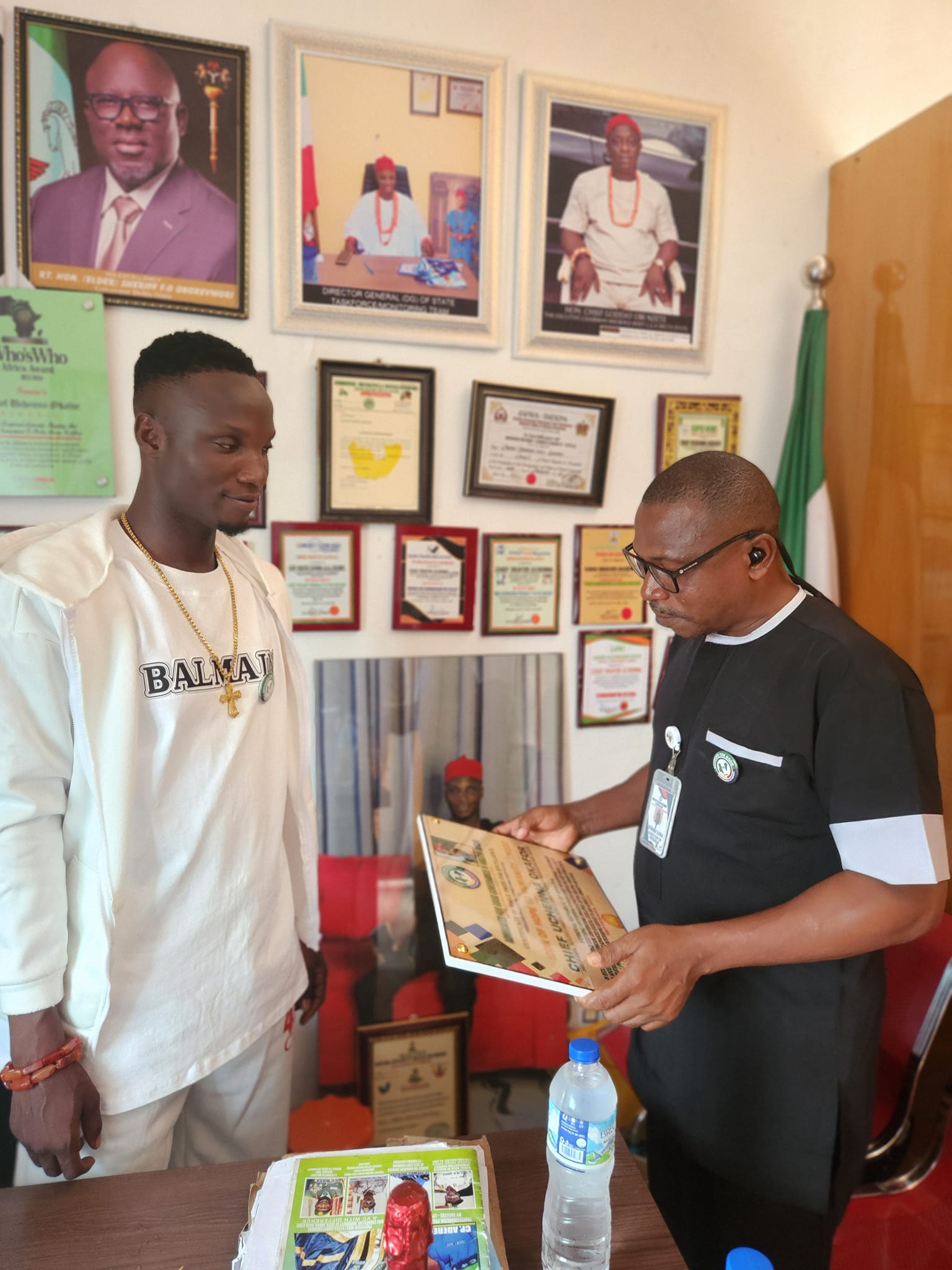
The Delta State chapter of the Commercial Motorcycles and Tricycles Operators Association (COMTOA) has witnessed an unprecedented wave of reform and revitalization under the leadership of its current Chairman, Chief Uchenna Okafor, a young and dynamic administrator whose tenure has been widely hailed as a turning point for the organization.
COMTOA, a once-fractured association marred by internal wrangling, weak structures, and irregular engagement with the government, is now enjoying relative stability, coordinated operations, and a redefined public image — thanks to the strategic initiatives of Chief Okafor.
Speaking with Fresh Facts Magazine in Asaba, the state capital, several stakeholders, including union members, transport regulators, and government officials, attested to the remarkable changes brought by Chief Okafor’s administration.
A New Vision for Unionism in Transport

Assuming office less than three years ago, Chief Okafor’s first task was to address what he described as “a lack of structure and trust” within the union.
“There was no data, no identity system, no organized way of knowing who was a genuine rider or not. That was dangerous not only to the members but also to the public,” he said.
To correct this, his leadership introduced a digital biometric database for all registered members of COMTOA across Delta’s 25 local government areas. This centralization has enabled swift verification of riders, curtailed the activities of impostors, and strengthened collaboration with security agencies, particularly in crime detection and accident response.
Welfare and Insurance: A Lifeline for Members
Another milestone was the rollout of a contributory welfare scheme that provides support for riders during accidents, illnesses, and family emergencies. In collaboration with micro-insurance firms, COMTOA now offers affordable accident and life insurance packages, a first of its kind for commercial bike and tricycle operators in the state.
“We no longer bury our members in shame or leave injured riders to fend for themselves. There is dignity now,” said Mr. John Uboh, a senior member from Ughelli South.
Training, Unity, and Revenue Transparency

Chief Okafor’s administration also brokered a partnership with the Federal Road Safety Corps (FRSC) and the Delta State Ministry of Transport to periodically train members on traffic laws, customer service, and safe driving practices.
Under his leadership, infighting and rivalry among local chapters — once a regular occurrence — have given way to a more unified front. A council of local chairmen was formed to ensure coordinated policy implementation and peaceful coexistence.
Additionally, the introduction of a transparent ticketing system has helped curb revenue leakages. Before now, daily dues collection was shrouded in secrecy and allegations of diversion. The new system uses color-coded receipts and electronic logs, increasing accountability and earning trust among members.
Strategic Government Engagement
According to multiple sources within the State Transport Ministry, COMTOA is now recognized as a strategic partner in transportation planning.
“Whenever we’re drafting new policies, COMTOA is at the table. Their current leadership understands the language of governance,” said Mrs. Stella Umeh, a director at the ministry.
Proposed Solutions – Further Explained
1. Joint Task Force with Security Agencies
COMTOA is proposing a structured partnership with the Nigerian Police, NSCDC, and the State Traffic Management Agency, with the goal to:
- Identify and remove illegal operators from the roads;
- Reduce impersonation and unregistered vehicles;
- Ensure protection of law-abiding members against harassment.
Such a task force would be co-supervised by COMTOA and government authorities, ensuring fair enforcement.
2. Micro-Credit Scheme for Riders
The association is lobbying for a state-backed soft loan program, specifically for young or struggling riders, with features such as:
- Low-interest rates (0% to 5%);
- Flexible repayment over 12–24 months;
- Disbursement through COMTOA-vetted cooperative societies;
- Equipment financing (buying motorcycles/tricycles directly from approved vendors).
This would boost youth employment, reduce crime, and ensure compliance with union standards.
3. Legal Recognition of COMTOA
A formal State Assembly legislation is being proposed to:
- Legally recognize COMTOA as the sole coordinating body for commercial two- and three-wheeled transport;
- Protect members from multiple taxation and unauthorized levies;
- Give COMTOA a say in transport policy decisions and conflict resolution.
Legal backing will provide COMTOA with institutional strength and operational clarity.
4. Ongoing Training & Licensing
The association is pushing for training to be institutionalized as a requirement for:
- New membership registration;
- Annual license renewal;
- Access to welfare and insurance benefits.
This will professionalize the workforce, improve public trust, and reduce accidents or conflict with commuters.
5. Public-Private Partnerships (PPP) for Terminals
Through partnerships with the state government and private investors, COMTOA proposes to:
- Construct well-planned loading bays and modern terminals in major towns (e.g., Asaba, Warri, Sapele, Ughelli);
- Equip them with security, ticketing booths, waiting sheds, sanitation facilities, and union offices;
- Generate revenue through parking fees, shop rentals, and advertising.
This will decongest city roads, create jobs, and improve public perception of the industry.
Conclusion: A Model for Transport Union Reform
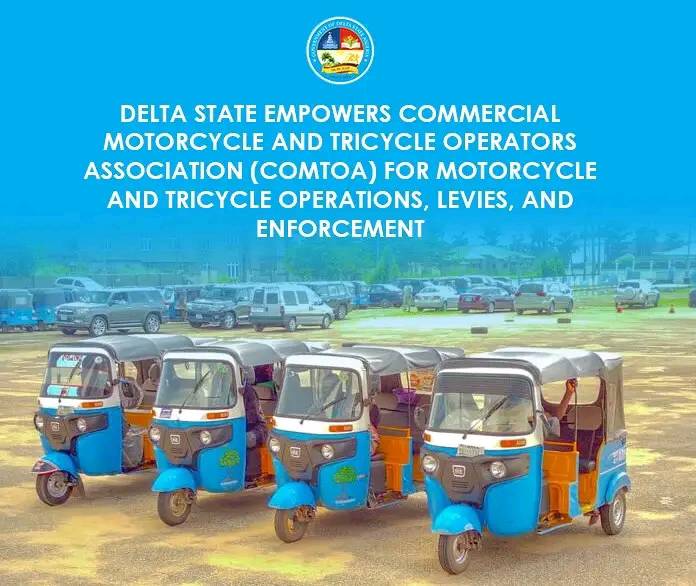
Across Delta State, there’s growing consensus that Chief Uchenna Okafor is not only reforming COMTOA but also offering a blueprint for transport unionism in Nigeria.
“He is young, focused, and accessible. We feel represented,” said Mrs. Adaeze Nwachukwu, a female tricycle operator in Warri.
While the road ahead remains bumpy, Chief Okafor’s strategic vision, inclusive leadership style, and passion for reform continue to drive optimism that Delta COMTOA may soon become the standard-bearer for organized, efficient, and humane transport union leadership in Nigeria.