


By Iyke Monday
Ila-Orangun, Osun State – In the heart of southwestern Nigeria, a quiet but powerful transformation is underway. At the Police Mobile Force (PMF) Training College in Ila-Orangun, 80 Deputy Squadron Commanders from across the nation have converged for a 12-day intensive seminar that could redefine the tactical command structure of the Nigerian Police Force (NPF).
The seminar, themed “Strengthening Tactical Excellence and Resilience”, is not just another training session. It is part of a broader institutional response to Nigeria’s escalating security complexities—from insurgency and banditry to urban crime and community unrest. The program, launched with solemnity and ambition, underscores the Police Force’s renewed emphasis on leadership, strategy, and adaptive field operations.
At the opening ceremony, Assistant Commissioner of Police (ACP) Anietie Eyoh, the Commandant of the PMF Training College, set the tone with a call to arms—not with weapons, but with vision and preparedness. “This is not just a training program,” he said, “it is a reaffirmation of our collective resolve to reposition and re-energize our tactical command cadre to face emerging security threats with renewed vigor and competence.”
Eyoh, who has overseen significant infrastructural and academic upgrades at the College, described Deputy Squadron Commanders as the “connective tissue” of the PMF—officers who often stand at the operational frontlines when threats loom large. “They are not backups,” he said, “they are the pulse of tactical operations.”
A Convergence of Strategy, Experience, and Support

The seminar, which runs through a rigorous curriculum including hostage rescue, ambush response, jungle warfare tactics, crisis management, and tactical planning, was inaugurated in the presence of notable dignitaries, symbolizing the importance of inter-agency and community collaboration in matters of national security.
Among the guests was Mr. Benedict Alabi, former Deputy Governor of Osun State, who represented Chief Bisi Akande, CFR, the state’s former governor and elder statesman. Traditional institutions were also visibly engaged, with the Orangun of Oke-Ila, His Royal Majesty Oba Dr. Adedokun Abolarin, lending royal endorsement to the program.
Oba Abolarin, in his goodwill message, lauded the Nigerian Police Force for prioritizing continuous professional development. “We cannot overstate the importance of your role in safeguarding our communities,” he said. “You have our full support, and this College can count on the goodwill and loyalty of my people.”
Alabi, speaking on behalf of Chief Akande, praised the “tremendous transformation” he observed at the College and applauded ACP Eyoh for his leadership. “The former governor remains committed to supporting any initiative that empowers our security institutions to perform more effectively,” he added.
Tactical Leadership in a Time of Crisis
Representing the Inspector General of Police, AIG Funsho Adeboye, MNI, officially declared the seminar open, offering a stirring endorsement of the program’s objectives. In his keynote address, Adeboye emphasized that Deputy Squadron Commanders are not mere administrative aides—they are combat leaders with field authority and responsibility.
“They are not spare tyres,” he said bluntly. “They are the command thrust. In the evolving theatre of Nigerian security, we need leaders at every level who are not only tactically sound but strategically aware.”
Adeboye revealed that the seminar is part of a larger vision by the Inspector General of Police to build a new generation of police leaders capable of responding to modern threats. He announced that similar programs would soon be extended to other key officers within PMF squadrons, including administrative, provost, and armory units.
“This training will not be a one-off event,” Adeboye said. “We are institutionalizing a culture of tactical excellence.”
Behind the Barracks: The Human Element

Beyond the speeches and drills, the atmosphere at the PMF Training College carries a renewed sense of purpose. Many of the participating officers—some with decades of field experience—described the seminar as an opportunity for reflection, retooling, and reawakening.
One participant, who spoke under anonymity, shared that for many in the PMF, formal training often ends once field deployment begins. “This is the first time in years I’ve seen such structured leadership development for Deputy Commanders,” he said. “It makes us feel seen, valued, and better equipped for what lies ahead.”
The course also promises tangible rewards. Officers who excel during the seminar are expected to receive fast-tracked promotions and expanded leadership responsibilities, reinforcing the message that performance, not just seniority, defines advancement.
A Vision for the Future
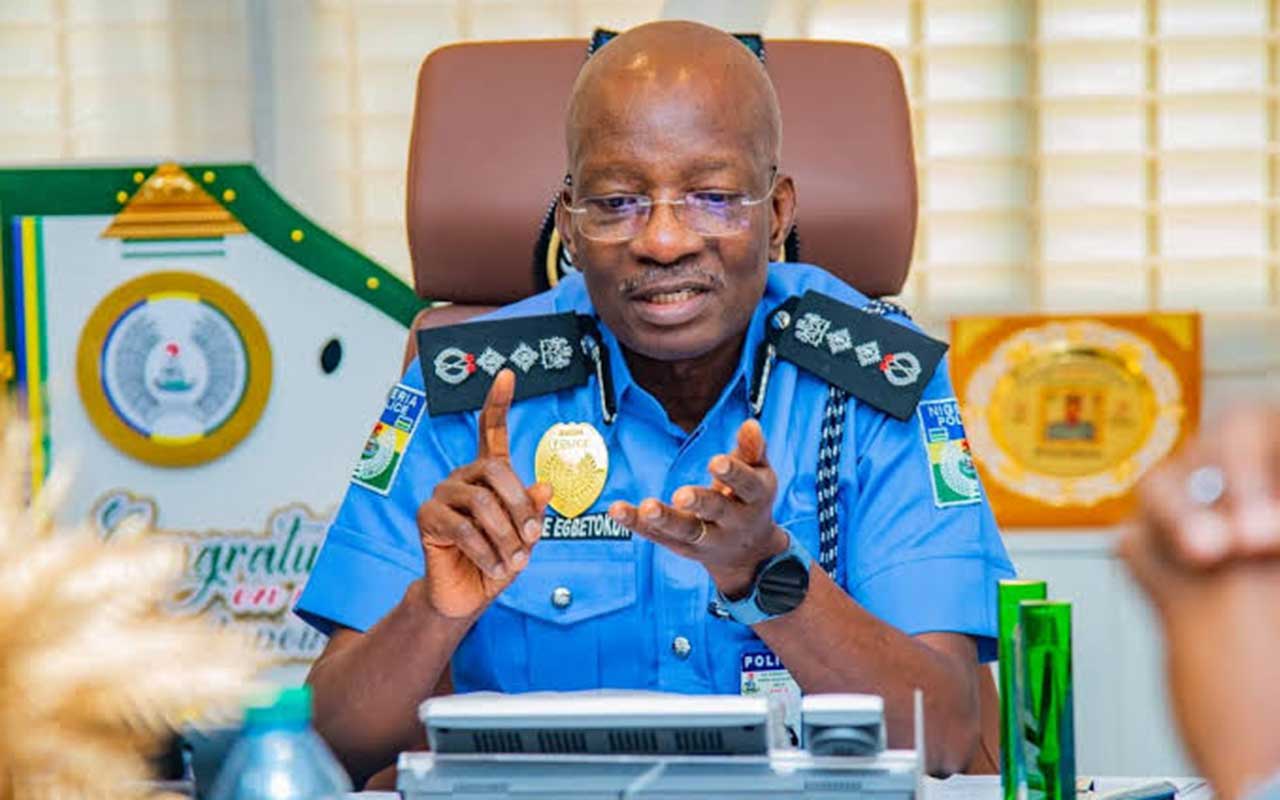
As the seminar continues with field simulations, war games, and expert-led strategy sessions, observers say it signals a potential turning point in Nigeria’s internal security approach—one that values leadership development as much as firepower.
In a post-event interview, AIG Adeboye summed it up: “Old tactics alone are no longer sufficient. The IGP has challenged us to evolve. And that evolution starts here, with those who lead at the front.”
At a time when Nigeria faces increasingly asymmetric threats, the re-calibration of tactical leadership within the PMF may prove to be a vital lever in the country’s quest for peace, order, and internal stability.


