


Soaring rents, insurance hikes, and a sober generation are squeezing the life out of New York’s once-thriving club scene.
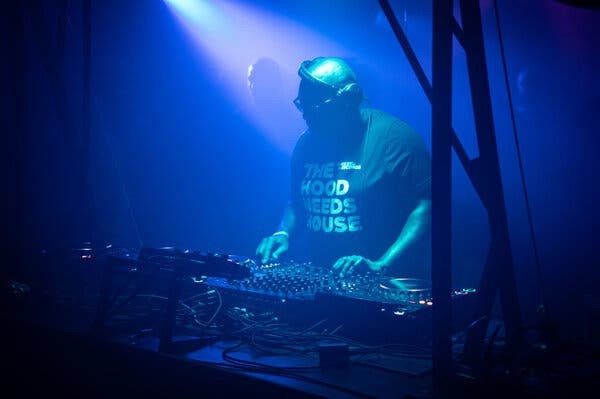
On a recent Friday night in Bushwick, Brooklyn, Paragon pulsed with energy. Beneath the rumble of overhead train tracks, ravers packed the two-level nightclub, bodies moving to the pounding beats of techno. Blue LED lights flickered overhead, revealing the youthful faces of partygoers relishing the night.
“It was def a good night for us,” John Barclay, Paragon’s owner, said the next day. But even with a full house, the celebration was bittersweet. Paragon would soon be shutting its doors.
“‘A good Friday and Saturday night in 2025 is not enough’ is the easiest way to put it,” Barclay, a veteran of New York’s nightlife scene, explained.
After nearly three years of hosting some of the world’s top DJs and drawing sold-out crowds, Paragon announced via social media that it could no longer survive the financial pressures of 2025. Its final party was scheduled for April 26.
Paragon is far from alone. In recent months, a string of high-profile club closures has rippled through Brooklyn, particularly in the nightlife-heavy neighborhoods of Bushwick and Williamsburg. Their downfall reflects a trio of challenges: sky-high rents, ballooning insurance costs, and a noticeable decline in alcohol sales — traditionally the lifeblood of any nightclub.
Gentrification and the Rent Squeeze
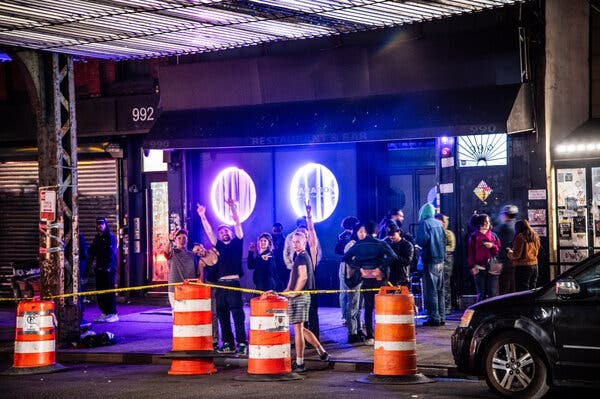
Once a haven for creatives and underground culture, Williamsburg has seen a dramatic transformation. High-end retail chains and luxury condos have replaced the neighborhood’s grungy charm. Commercial rent has followed suit.
According to a 2024 report by the Real Estate Board of New York, some areas of Williamsburg have seen rents jump as much as 70% since 2023. Alex Picken, owner of Picken Real Estate, a hospitality-focused brokerage, noted that warehouse spaces once leasing for $10 to $20 per square foot now go for over $30.
Paragon’s rent wasn’t disclosed, but the story is familiar across venues. Take Freehold, a hybrid cafe-club on Williamsburg’s south side. When the building changed ownership, the new landlords pushed for a major rent increase. Lease negotiations ended in a binding arbitration, which sided with the landlord — tripling Freehold’s monthly rent from $21,000 to a staggering new figure. Revenue still hasn’t bounced back to pre-pandemic levels, said Brice Jones, Freehold’s CEO.
“I remember looking at the sales report and thinking, ‘How is this that bad?’” he said. “There’d be a line around the corner, but something still wasn’t adding up.”
Insurance: The Hidden Killer
While rent is the most visible threat, insurance premiums have become another silent killer. In the third quarter of 2024, commercial insurance rates jumped 5.1%, according to the Council of Insurance Agents & Brokers.
Nightclubs, in particular, have become high-risk clients for insurers. “Restaurants, bars, and clubs can be pulled into lawsuits if a patron injures someone after drinking,” said Jelani Fenton, CEO of New York-based E.G. Bowman Co. “Insurers are adjusting prices to cover those risks.”
That reality hit hard at TBA Brooklyn, a beloved, no-frills club that announced its closure after 12 years. Owners Gio Gulez and Mehmet Erkaya watched their annual insurance bill soar from $25,000 to $125,000.
“It’s like we make money, and on the first day of the month, we just hand it over,” said Gulez. “It doesn’t feel sustainable anymore.”
A Generation That’s Drinking Less

The final nail in the coffin: shifting culture. Young adults, ages 21 to 34 — the core nightclub demographic — are drinking less alcohol than before the pandemic. Gallup surveys suggest reasons range from health consciousness to the rise of remote socializing.
“You’re seeing a real shift in alcohol consumption,” said Max Chodorow, owner of Jean’s, a Manhattan restaurant with a hidden club downstairs. “That changes the whole model of nightlife.”
Without heavy alcohol sales, clubs can’t easily cover overhead. Many operators say a packed dance floor doesn’t mean profits anymore.
Still, some clubs are managing to survive — for now. Gabriela, a Williamsburg venue owned by DJ Eli Escobar and Rafael Ohayon, has found success by curating a close-knit, house party vibe. But even they admit the pressure is mounting.
“Small business owners are flipping out,” said Ohayon. “We love what we do, but it’s getting harder to stay open.”
Paragon’s closing sent a jolt through the nightlife community. Escobar called it “a singular place in New York nightlife,” one whose loss is hard to comprehend.
The Party Isn’t Over — But It’s Changing
New York’s nightlife has always been resilient, but current trends suggest that the industry is undergoing a deep transformation. If rents and insurance remain unchecked, and if younger crowds continue to ditch the bar for the bedroom, many clubs — no matter how packed on Saturday night — may not last till Sunday morning.


