Over N1.3 trillion lost as unregistered digital investment platform vanishes; SEC vows crackdown under new 2025 Investment Act
The Securities and Exchange Commission (SEC) of Nigeria has issued a stern warning to the public, declaring that all investment and digital asset platforms not registered with the Commission are operating illegally. This announcement follows the reported collapse of CBEX, a digital asset investment platform, leaving investors counting losses estimated at over ₦1.3 trillion.
CBEX, which claimed to offer a staggering 100% return on investment within 30 days, gained significant traction across Nigeria in 2024. However, the façade began to crumble recently, with users experiencing persistent withdrawal failures. Reports say that account balances were suddenly wiped, and access to the platform became impossible. In a final act of desperation, CBEX offered investors a dubious “verification” deal—$2,000 for $200 or $1,000 for $100—before locking its Telegram support channels and postponing all withdrawals.
Chaos ensued on Tuesday when videos surfaced online showing enraged individuals ransacking the CBEX office in Oke Ado, Ibadan. Eyewitnesses described how the mob stormed the premises, carting away office equipment in an act of public frustration.
The SEC Responds under New Legal Powers
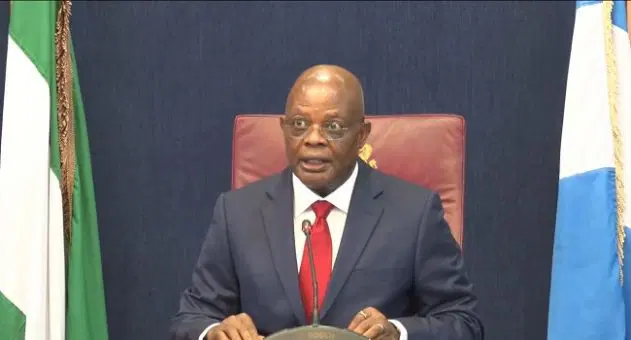
Reacting to the scandal, Efe Ebelo, SEC’s Head of External Relations, confirmed that the recently signed Investments and Securities Act (ISA) 2025 grants the Commission the authority to take decisive action against unregulated platforms.
Quoting Dr. Emomotimi Agama, the SEC Director-General, Ebelo emphasized the importance of the Act in shaping the future of Nigeria’s digital financial ecosystem.
“This Act has established clear rules and regulations for digital asset platforms, including registration requirements to promote transparency and trust,” she said.
“It allows the SEC to crack down on illicit activities like Ponzi schemes, pump-and-dump tokens, and unregistered exchanges. We are not going to tolerate celebrities promoting meme coins or fraudulent tokens. If it’s not registered, it’s illegal. The law will be enforced.”
A Trail of Broken Trust: Ponzi Schemes in Nigeria
The CBEX debacle is just the latest in a long history of fraudulent investment operations that have plagued Nigeria. From MMM to MBA Forex, Baraza, and now CBEX, the country has seen a revolving door of high-yield investment platforms promising financial miracles and delivering ruin instead.
- MMM Nigeria (2016): Perhaps the most infamous of them all, this Russian-originated scheme promised 30% monthly returns and reportedly had over 3 million Nigerian participants. Its collapse led to widespread financial devastation.
- MBA Forex (2020): With promises of 15% monthly ROI, this forex-based scheme defrauded thousands before folding up under regulatory pressure. Many victims were middle-class professionals and retirees who invested life savings.
- Baraza Multipurpose Society (2021): Masked as a cooperative society, Baraza lured people with promises of 25% monthly returns. It eventually shut down after failing to meet withdrawal demands, leaving investors stranded.
These schemes all follow a common playbook: exaggerated returns, charismatic marketing (often aided by influencers or celebrities), and opaque operations. Once withdrawals exceed inflows, they crash—leaving behind a trail of debt, broken homes, and emotional trauma.
The Ripple Effects on Business and Economy
The consequences of these fraudulent schemes extend far beyond individual losses. Their repeated failures have eroded public trust in investment platforms—especially genuine fintech startups and block-chain-based ventures seeking to drive innovation.
Legitimate businesses often suffer collateral damage, with wary investors pulling back from even SEC-licensed platforms due to fear of another scam. This fosters a climate of suspicion, stifles entrepreneurship, and chokes the flow of domestic investment capital.
Moreover, the global image of Nigeria’s tech ecosystem takes a hit each time these Ponzi-style platforms implode. Foreign investors grow cautious, startups face harder scrutiny, and the regulatory burden increases on law-abiding operators.
Moving Forward: Regulatory Vigilance and Public Awareness
While the ISA 2025 provides stronger regulatory teeth, enforcement is only one part of the equation. Public awareness is critical. Nigerians must learn to scrutinize investment offers, demand transparency, and resist the allure of “too-good-to-be-true” returns.
The CBEX incident is a sobering reminder that financial literacy and due diligence remain vital. As Nigeria moves further into a digital economy, protecting investor confidence will be essential to attracting sustainable investment and fostering real growth.
Fresh Facts Magazine will continue to monitor this developing story and provide updates on any legal actions taken by the SEC or law enforcement agencies.
Have you or someone you know been affected by CBEX or similar schemes? Reach out to us at editor@freshfactsmag.com to share your story confidentially.