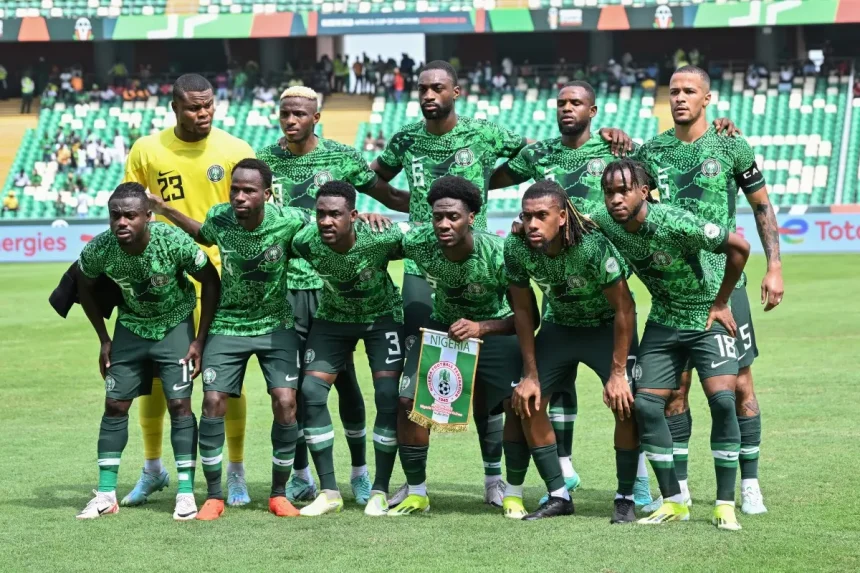
Nigeria, often heralded as the “Giant of Africa,” is now on the verge of missing out on the 2026 FIFA World Cup following a string of underwhelming performances, including a disappointing draw with Zimbabwe. This looming failure carries significant implications not just for the Super Eagles but for Nigerian football as a whole.
Nigeria’s Chances of Qualification: A Critical Examination
1. Current Standing & Group Structure
The 2026 FIFA World Cup qualifiers for Africa feature nine groups, with the group winners automatically qualifying. Nigeria is in Group C alongside South Africa, Rwanda, Benin, Zimbabwe, and Lesotho.
Early draws against Zimbabwe and Lesotho have left Nigeria trailing behind the early leaders. In a format that demands top-spot finishes, these dropped points have made upcoming fixtures must-win battles. The group remains open, but the Super Eagles now have no margin for error.
2. Remaining Fixtures
Nigeria still has crucial games ahead, especially against South Africa and Rwanda. These encounters are now pivotal.
The team must win all remaining home fixtures and secure points away from home to stay in contention. However, their fate may also depend on other results, particularly if the group remains tightly contested.
3. Technical and Tactical Concerns
Several internal issues are undermining Nigeria’s campaign:
- Coaching instability and questionable team selections have disrupted rhythm.
- The team lacks a clear tactical identity, often relying on moments of individual brilliance rather than cohesive team play.
- Injuries to key players and inconsistent performances from stars have further hampered progress.
4. Psychological Pressure
The mental toll on players is significant. Public expectations, media scrutiny, and memories of past failures (like the 2006 World Cup miss) contribute to a pressure cooker environment.
This intense atmosphere can inspire a turnaround or cause a complete collapse. The team’s ability to manage this pressure will be crucial in the coming matches.
Implications if Nigeria Fails to Qualify
1. Reputational Damage
Failing to qualify would dent Nigeria’s image as a continental football powerhouse. It underscores a widening gap between abundant talent and actual performance, shaking confidence in the country’s footballing structure.
2. Economic Impact
The World Cup is a major financial opportunity. Nigeria would lose out on revenue from sponsorships, broadcasting rights, merchandise, and football-related tourism. Local businesses that benefit from matchday activities would also feel the pinch.
3. Developmental Setback
A World Cup absence discourages investment in grassroots football and infrastructure. It also limits global exposure for domestic talents, reducing their chances of international breakthroughs.
4. Fan Disillusionment
Nigerian football fans are passionate and deeply invested. Another failed campaign could erode fan loyalty, reduce engagement, and amplify criticism of the Nigeria Football Federation (NFF), possibly prompting leadership overhauls.
5. Continental Dynamics
With nations like Senegal, Morocco, and South Africa rising in global football, Nigeria risks being overtaken in influence and reputation. The “Giant of Africa” label may start to sound hollow if not supported by results.
Conclusion
Nigeria’s road to the 2026 World Cup is steep, but not yet closed. To salvage their campaign, the Super Eagles must display tactical discipline, mental fortitude, and a renewed sense of urgency. Failure to do so will not only cost them a spot at football’s biggest stage but will signal a deeper rot that demands urgent reform within Nigerian football.
The time for complacency is over. For Nigeria, it’s do or disappear.