By: Monday Iyke Ojomah, Fresh Facts Magazine
Lagos, Nigeria — The much-anticipated Lagos State Local Government Elections held on Saturday, July 12, 2025, were conducted under a cloud of controversy, administrative lapses, and widespread voter apathy, raising serious questions about the integrity of grassroots democracy in Nigeria’s commercial nerve centre.
From delayed commencement of voting to legal ambiguities surrounding the electoral process, the election—organized by the Lagos State Independent Electoral Commission (LASIEC)—was marred by systemic failures that many observers have described as a “democratic disappointment.”
Legal Disputes Before the Poll
Civil society organizations, including Yiaga Africa and Enough is Enough Nigeria, had earlier faulted the legal basis of the elections, pointing out that the date chosen for the poll contravened Sections 103 and 150 of the Electoral Act 2022. According to these provisions, state electoral commissions are expected to conduct elections in alignment with the federal law, a stipulation critics say LASIEC ignored.
The Inter-Party Advisory Council (IPAC) also lambasted LASIEC for unilaterally releasing election guidelines without consulting political parties or civil society stakeholders. IPAC described the process as opaque and exclusionary, claiming it undermined the credibility of the elections before they even began.
Election Day Woes
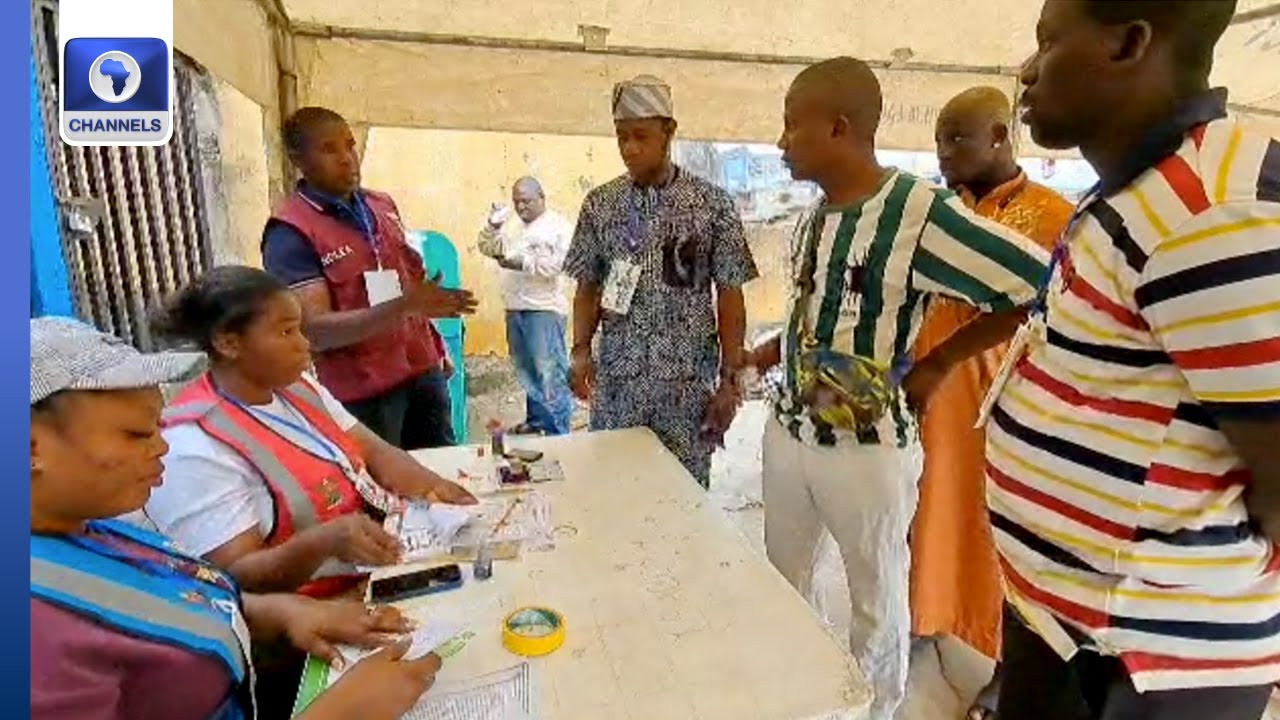
Across several local government areas including Mende, Ajeromi-Ifelodun, Agege, and Surulere, electoral materials and officials arrived late or failed to appear entirely. In some polling units, voting did not commence until well after 10:00 a.m., while in others, the process was abandoned altogether due to absence of LASIEC staff.
In Lagos Island East, observers recorded abysmally low voter turnout. At one polling unit with 122 registered voters, only 11 were accredited to vote. Many units witnessed fewer than 10 voters throughout the day, highlighting a profound disconnect between citizens and the electoral process.
“I came to vote, but my polling unit was moved without notice. My name wasn’t even on the register,” said 64-year-old Mrs. Adenike Adebajo, a resident of Kosofe LGA. “They’ve made it difficult for us to care anymore.”
While security agencies reported a generally peaceful atmosphere, civil society groups and residents expressed concern over reports of intimidation by political party agents, particularly in opposition strongholds. Allegations also surfaced of vote buying and harassment, although these remained largely unverified at press time.
APC Dominance Amidst Opposition Struggles
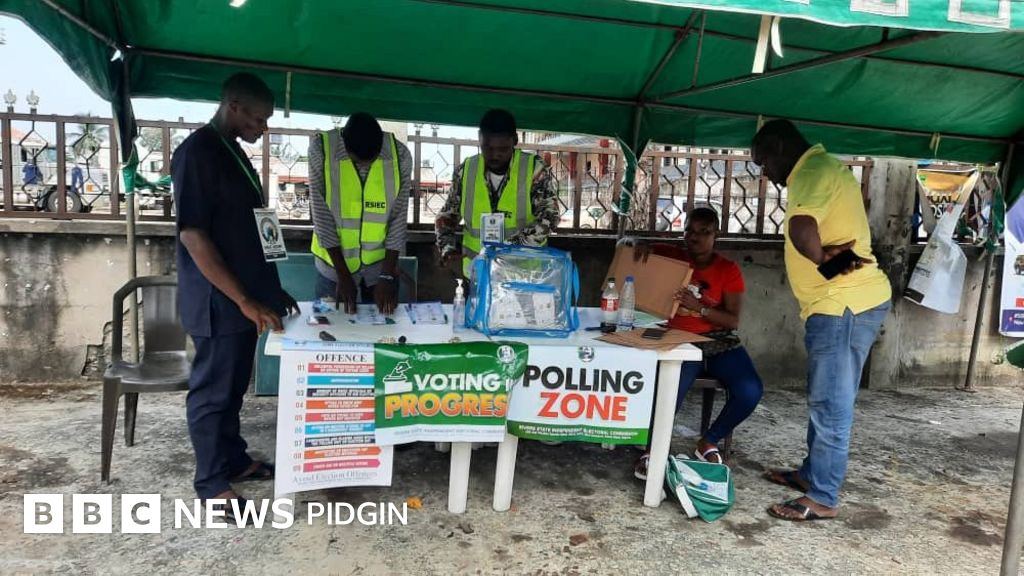
The ruling All Progressives Congress (APC) appeared to dominate the polls, with early results indicating sweeping victories across several LGAs and LCDAs. However, opposition parties like the Labour Party and the Peoples Democratic Party (PDP) decried the process, citing deliberate efforts to frustrate voter participation.
Political tensions had also mounted in the build-up to the election, as some residents accused Seyi Tinubu, son of President Bola Tinubu, of meddling in the candidate selection process by allegedly handpicking loyalists as chairmanship aspirants in various councils. This, critics argue, contributed to voter disillusionment and internal party fractures.
Civil Society and Legal Fallout
Former Deputy Governor of Lagos State, Kofoworola Bucknor-Akerele, has called for the cancellation of the elections, describing the exercise as a “mockery of democracy.” According to her, the disenfranchisement of voters, particularly due to last-minute changes in polling units and missing names on voter registers, invalidated the legitimacy of the outcome.
The Transition Monitoring Group (TMG), a leading election observation body, expressed concern over the lack of transparency and called for an independent audit of the entire process.
Deeper Implications

Analysts believe the flawed conduct of the elections reflects deeper structural and legal deficiencies in Nigeria’s local government administration.
“This was not just an election marred by poor logistics—it was a referendum on the state of local governance,” said Dr. Ijeoma Eze, a political analyst at the University of Lagos. “It shows a growing loss of faith in the democratic process, especially at the grassroots where governance is supposed to be closest to the people.”
The Way Forward
Experts and civic groups are now calling for a comprehensive reform of LASIEC to ensure future elections meet both constitutional standards and the expectations of the electorate. Recommendations include:
- Synchronizing state electoral laws with the national Electoral Act
- Ensuring inclusive consultation with political parties and civil society
- Improving training, pay, and logistics for electoral officers
- Launching voter education campaigns targeted at the grassroots
- Introducing independent oversight to monitor and evaluate electoral conduct
Conclusion
What was intended to be a celebration of grassroots democracy instead turned into a spectacle of voter apathy, legal uncertainty, and administrative breakdown. If the Lagos State Government hopes to restore credibility in its local governance system, it must heed the urgent calls for reform and take decisive steps to ensure transparency, fairness, and inclusion in future elections.
The road to democratic consolidation begins at the grassroots—and as the July 12 elections have shown, that road is currently broken.