By Monday Iyke Ojomah | Fresh Facts Magazine
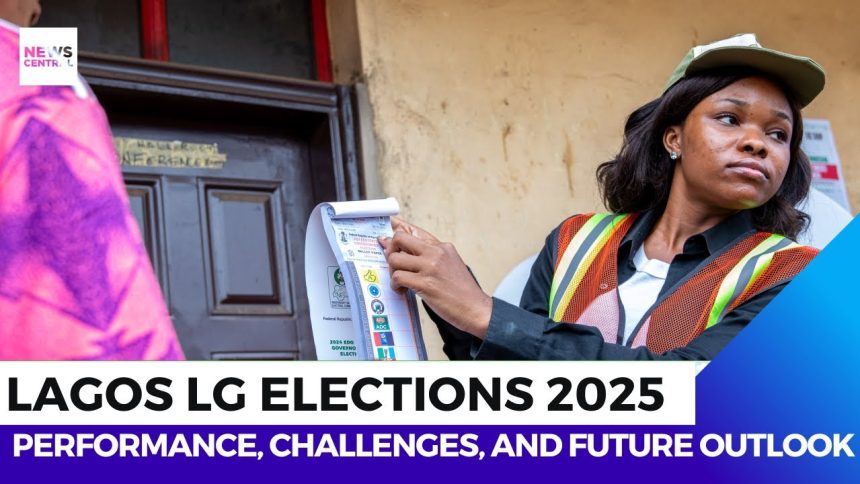
As Lagos State braces for its local government elections scheduled for Saturday, July 12, 2025, questions loom over the preparedness of electoral institutions, the body language of political actors, the interest of the electorate, and the robustness of security arrangements. While this election may appear routine, a deeper look reveals it as a mirror reflecting the health of Nigeria’s democratic experiment—especially as the country inches toward the 2027 general elections.
LASIEC’s Readiness: More Rhetoric Than Reach
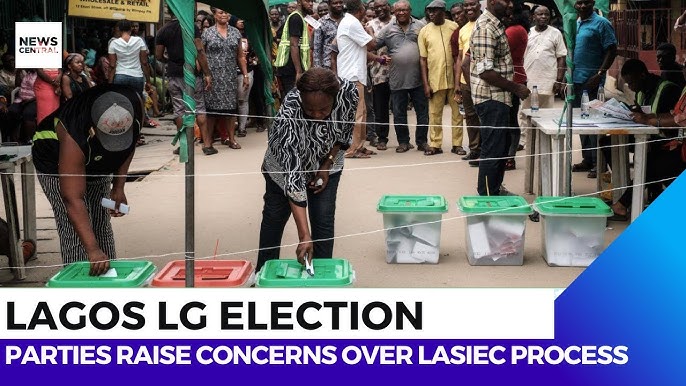
The Lagos State Independent Electoral Commission (LASIEC) maintains it is ready to deliver a credible, free, and fair election. But a walk across major streets, markets, and neighborhoods tells a different story. The average voter seems unaware of basic details such as polling locations, voting procedures, or even the names of candidates contesting in their wards.
Public enlightenment campaigns have been muted. Civil society organizations are largely silent. There is little sign of the kind of robust civic engagement that would ordinarily energize grassroots democracy.
More worrisome is the continued perception that LASIEC operates with questionable neutrality. Several opposition parties have raised concerns over the body’s structure and processes, alleging a deep-rooted bias in favor of the ruling All Progressives Congress (APC). Also, the absence of modern electoral technologies such as electronic transmission of results or biometric verification tools raises fears of electoral manipulation, rigging, and voter suppression.
Political Actors: Quiet Moves, Calculated Posturing
Political campaigns in Lagos ahead of the LG elections have been curiously subdued. Gone are the noisy motorcades, fiery campaign speeches, and community town halls that usually precede major elections.
Instead, what is playing out appears to be a carefully choreographed arrangement where party supremacy, rather than popular support, determines who gets what. In the ruling APC, most candidates emerged through internal selections rather than credible primaries. The opposition, particularly the PDP and Labour Party, have failed to galvanize significant attention, perhaps due to logistical constraints or loss of faith in the electoral process.
This lack of political tension has created a vacuum, breeding apathy and signaling a broader crisis in the democratization of local governance.
The Electorate: Disengaged and Disillusioned
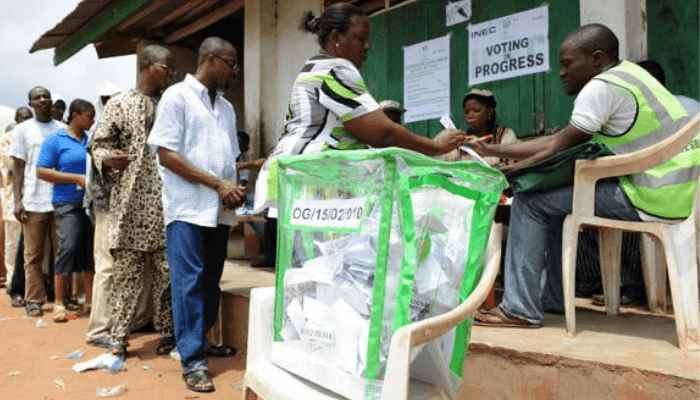
Perhaps the most troubling trend ahead of the July 12 elections is the electorate’s silence. Across Lagos, residents express a mixture of indifference and resignation.
“I won’t bother myself,” says Mrs. Ifeoma, a trader in Alimosho. “They already know who will win, so what’s the point?”
This sentiment is not isolated. A significant portion of the electorate—particularly young voters who were vibrant in the 2023 general elections—have withdrawn. The consensus seems to be that local government structures are ineffective, unresponsive, and irrelevant to their daily struggles.
This apathy stems not only from alleged electoral manipulation but also from the consistent failure of local governments to deliver meaningful development. In many communities, roads are bad, healthcare is poor, and schools are understaffed—issues well within the remit of local authorities.
Security Outlook: High Promises, Hidden Threats
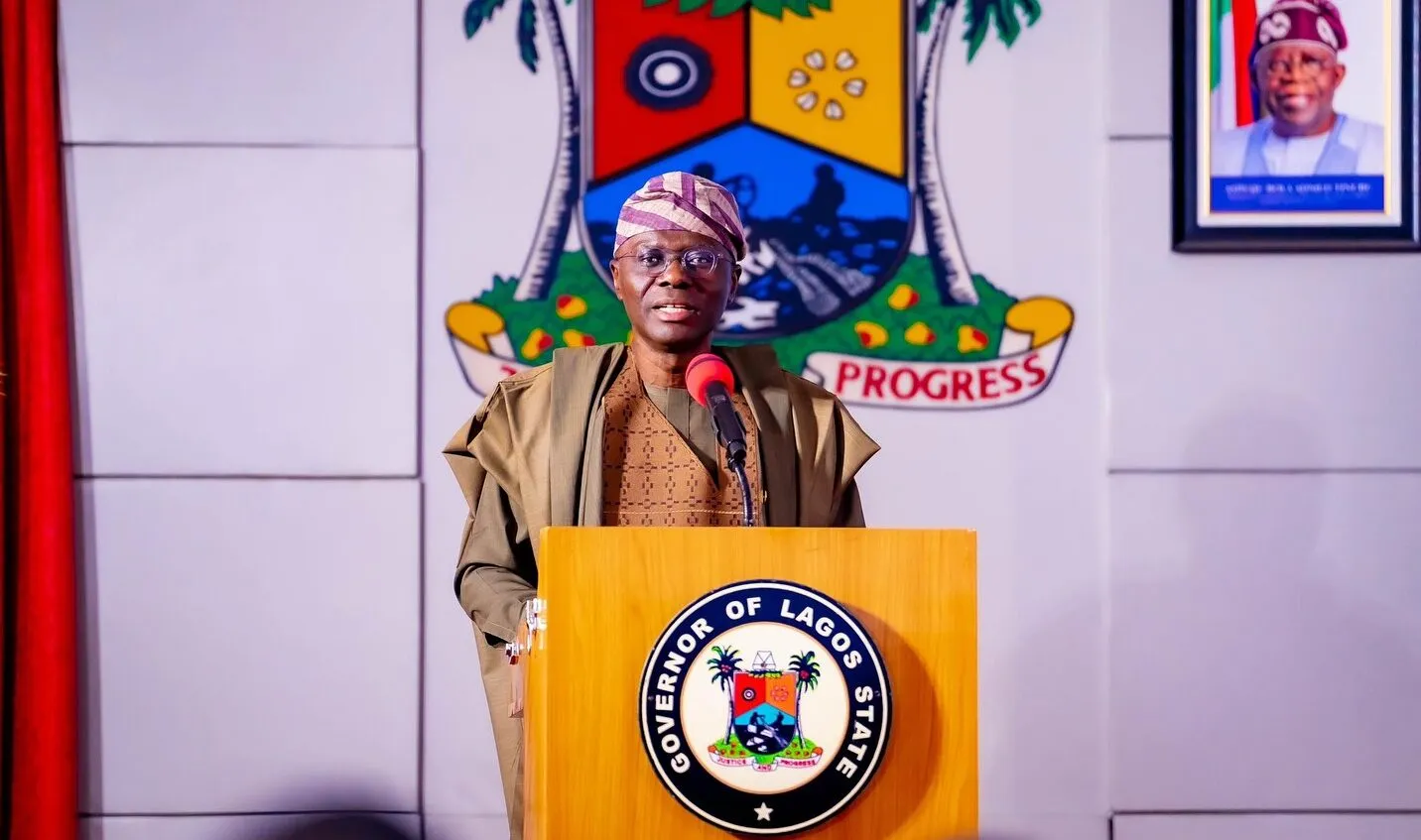
The Lagos State Police Command has promised to deploy over 5,000 personnel across polling units to maintain law and order. Yet, past experiences make voters skeptical.
In electoral flashpoints like Mushin, Ikorodu, Ojo, and parts of Lagos Mainland, the specter of political thuggery and street violence remains real. While there have been no reported pre-election clashes so far, there are whispers of intimidation tactics being quietly orchestrated behind the scenes.
Observers are also wary of the police’s neutrality. Accusations of selective enforcement and complicity in electoral malpractice have trailed past local elections in the state. Whether the police can inspire confidence this time remains to be seen.
A Glimpse into 2027: Lessons, Warnings, and Opportunities
While local government elections may not attract national headlines, their significance cannot be overstated. These elections provide a critical testing ground for the 2027 general elections in several ways:
- Political Infrastructure Test: For the APC, this is an opportunity to consolidate control and address internal dissent. For Labour Party and PDP, it’s a chance to prove they can operate beyond hashtags and protests.
- Electoral Integrity: LASIEC’s conduct will either restore public trust in state electoral commissions or reinforce calls for constitutional reforms to centralize all elections under INEC.
- Civic Engagement Warning: The rising voter apathy seen now could repeat on a larger scale in 2027 unless deliberate efforts are made to rebuild civic consciousness.
- Security Blueprint: How the police and other security agencies manage the LG polls will inform strategies for handling larger-scale national elections—especially in volatile urban zones.
Conclusion: Democracy at the Crossroads
The July 12 local government elections in Lagos are more than an exercise in choosing councillors and chairpersons—they are a litmus test for Nigeria’s democratic health at the grassroots level. The apathy of the electorate, the silence of politicians, the shadowy preparations of security agencies, and the lukewarm conduct of LASIEC all point to a system in urgent need of reform and revival.
For Lagos—and Nigeria as a whole—2025 must not become another missed opportunity to strengthen local governance. If the country hopes to build a credible, inclusive, and vibrant democracy by 2027, the rebuilding must start now, one ward, one vote, and one voice at a time.