By Fresh Facts Magazine
A coalition of concerned indigenes of Onicha-Olona Kingdom in Aniocha North Local Government Area of Delta State has renewed its demand for the restoration of the kingdom’s hereditary monarchy, popularly known as the Obi Ada, to the Ugbeh Royal Family, insisting that such a move is critical to ending the protracted traditional leadership crisis and restoring lasting peace to the community.
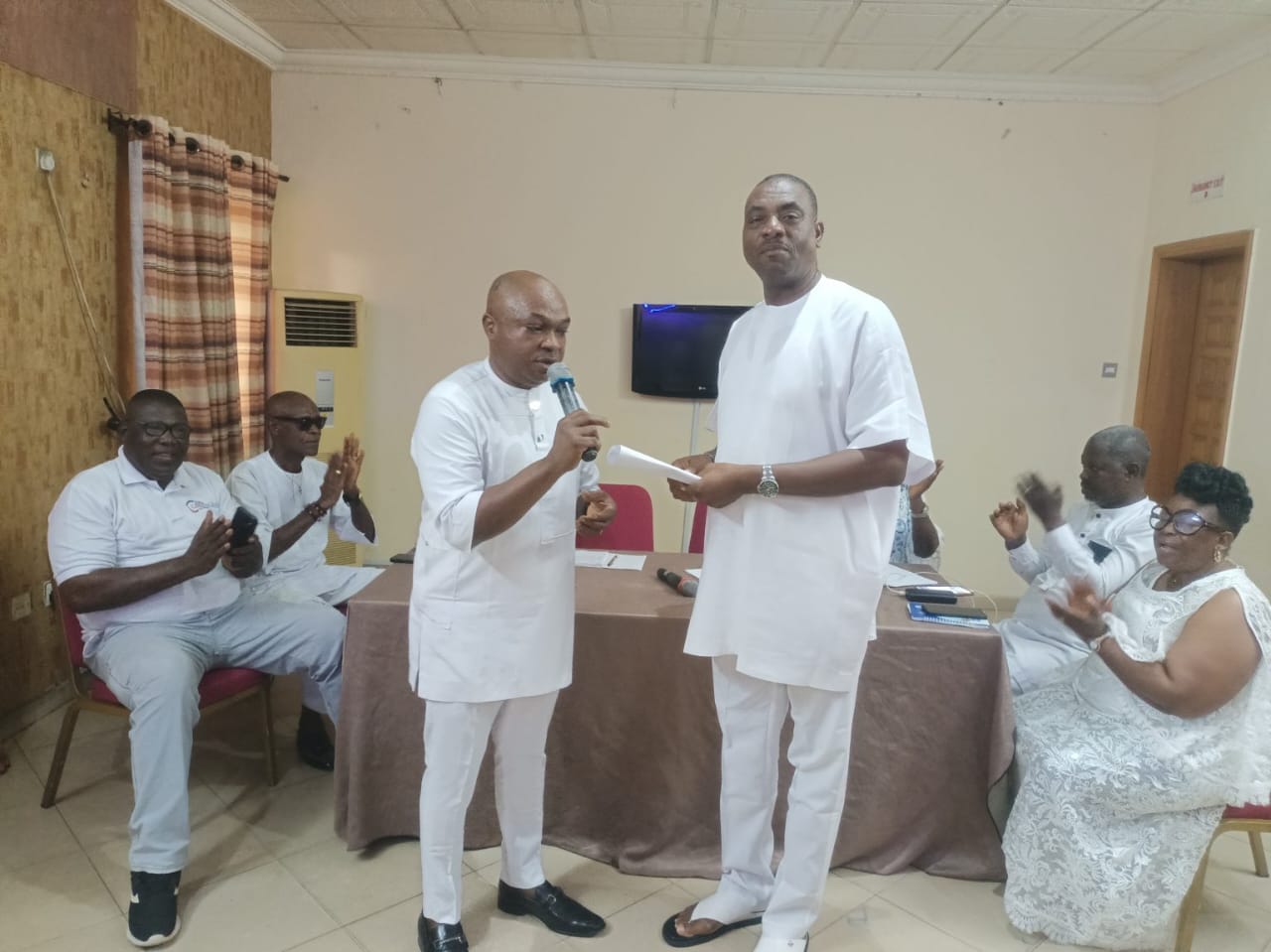
The group made its position known during a press conference in Asaba, where its spokesperson, Mr. Cyril Eziomume Nwaodi, popularly known by his musical stage name Kandysea, described the lingering kingship dispute as a major obstacle to unity, development and social harmony in Onicha-Olona.
According to Nwaodi, historical records and long-standing customary practice establish that the Obi Ada stool has, from time immemorial, been a hereditary institution vested in the Ugbeh Royal Family of Idumu-Ugbe (Ogbe-Obi). He maintained that any arrangement that departs from this traditional succession pattern undermines the cultural identity of the kingdom and fuels recurring disputes.
The group appealed to the Delta State Government, traditional institutions and all relevant stakeholders to facilitate what it described as the restoration of the kingdom’s original hereditary order, arguing that respect for established customs remains the surest path to sustainable peace and reconciliation.
Beyond the legal and historical arguments, the concerned indigenes warned that failure to address the issue could have far-reaching consequences for the kingdom. They expressed fears that continued uncertainty over the traditional institution may deepen divisions among families, weaken confidence in customary authority, prolong litigation, discourage investment and community development, and create an atmosphere capable of breeding avoidable tension among successive generations.
They further noted that unresolved succession disputes have the potential to erode cultural heritage, diminish respect for traditional institutions and distract community leaders from addressing pressing developmental needs.
The group therefore urged all sons and daughters of Onicha-Olona to embrace dialogue, reconciliation and peaceful engagement, emphasizing that collective unity should prevail over personal or sectional interests.
Historical Background
Historical accounts obtained by Fresh Facts Magazine indicate that the first traditional ruler of Onicha-Olona, Oba Ugbeh, ascended the throne around 1550. He was reportedly succeeded in hereditary order by his son Ofoko, followed by Zomuna, Mogbei, Diei, Ozo-Omone (a cousin), and later Okpoko, all said to belong to the Ugbeh royal lineage.
According to accounts cited by members of the group, the succession crisis allegedly began following the death of Okpoko when Chika Diei, who was expected to inherit the throne through the hereditary line, was allegedly displaced by Osakwe Ofili, reportedly with the backing of the British colonial administration.
They further claimed that the British authorities allegedly destroyed the royal palace in 1901, after the disputed succession of 1900, and recognised Osakwe Ofili as warrant chief instead of allowing the hereditary succession to continue. The group also recounted long-held traditional narratives alleging that Chika Diei protested the development and pronounced a curse linked to the disputed succession—claims that remain matters of oral tradition and belief and have not been independently verified.
The concerned indigenes contend that these historical events marked the beginning of the prolonged kingship crisis and eventually led to the introduction of the Okpalabisi system of administration on August 23, 1923, which they described as a departure from the kingdom’s original hereditary monarchical structure.
While opinions among stakeholders remain divided over the succession process, the group insists that restoring the hereditary monarchy to the Ugbeh Royal Family represents the most viable path toward reconciliation, institutional stability and the preservation of Onicha-Olona’s cultural heritage.
As discussions continue, observers believe that an inclusive, lawful and peaceful resolution involving all stakeholders will be essential to strengthening unity, preserving tradition and promoting sustainable development within the ancient kingdom.