By Iyke Monday
Fresh Facts Magazine Sports Desk
Rabat, Morocco
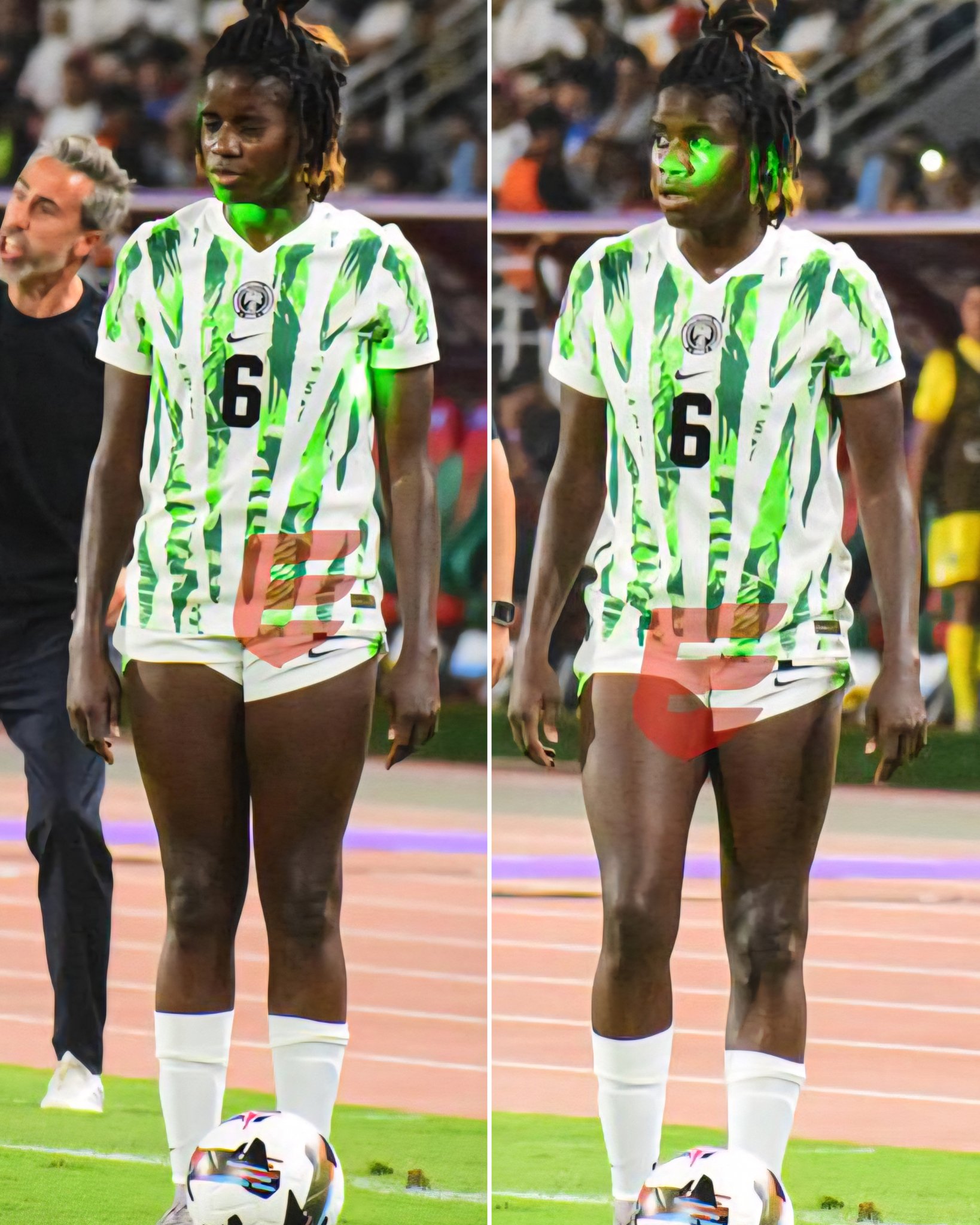
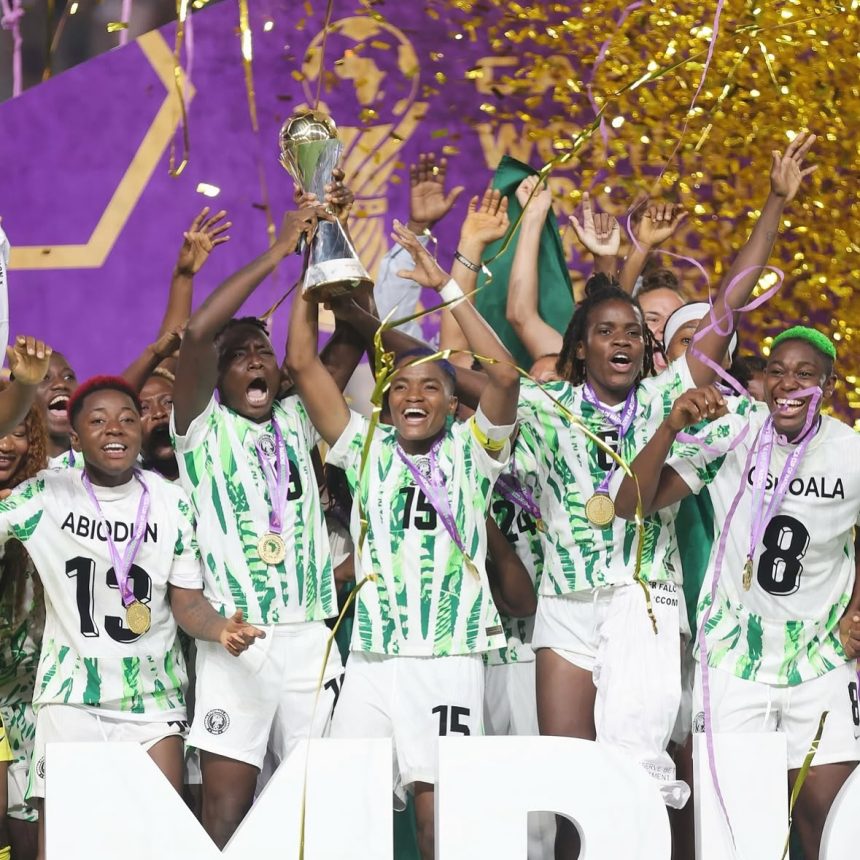
In a thrilling showdown witnessed by tens of thousands at the Prince Moulay Abdellah Stadium in Rabat, Morocco, Nigeria’s Super Falcons once again stamped their unrivalled dominance on the continent, clinching their 10th Women’s Africa Cup of Nations (WAFCON) title. The victory came after a pulsating 3–2 win over host nation Morocco on Saturday night, July 26, 2025, concluding a remarkable tournament campaign.
With this win, the Super Falcons not only reclaimed their crown but also made history by becoming the first African women’s national team to win ten WAFCON titles, solidifying their legacy as the queens of African football.
Tournament Overview: Dominance Redefined
The 2024 edition of WAFCON, held between July 5 and July 26, 2025, featured 12 of Africa’s top women’s national teams. Nigeria was drawn in a challenging Group B alongside Tunisia, Botswana and Algeria. However, the Super Falcons showcased composure and tactical superiority, winning all group matches without conceding a goal.
In the quarterfinals, Nigeria edged past a resilient Zambia side with a solid five goals thriller, earning a place in the semifinals and securing qualification for the 2026 FIFA Women’s World Cup. But it was in the semifinal clash against defending champions South Africa that the Falcons proved their mettle.
The encounter in Casablanca was a dramatic one. After taking the lead via a well-converted penalty by Rasheedat Ajibade, the South Africans responded with a swift equalizer. With the match seemingly destined for extra time, Michelle Alozie, the U.S.-based defender, scored a sensational 94th-minute winner, igniting wild celebrations in the Nigerian camp and earning her national hero status.
Final Showdown: Falcons Rise From the Ashes

The grand finale against Morocco was nothing short of a football spectacle. Backed by a passionate home crowd, the Moroccan side came out firing, scoring two quick goals in the first half and sending shockwaves through the Nigerian bench.
But true to their pedigree, the Super Falcons refused to be cowed. A rousing team talk from head coach Justin Madugu during halftime sparked an epic comeback. Nigeria’s midfield took control, with dynamic runs from Toni Payne and precise linkups from Ajibade opening up the Moroccan defense.
The breakthrough came early in the second half, followed by an equalizer that levelled the tie. In the 82nd minute, substitute Chiwendu Ihezuo scored the decisive third goal—a calm finish after a slick team move—sending the Falcons into delirium and breaking Moroccan hearts.
Key Players and Tactical Brilliance
The tournament revealed Nigeria’s incredible squad depth, blending experience with emerging talent. Rasheedat Ajibade, who won multiple Woman of the Match awards, served as the creative spark, while Christy Ucheibe and Deborah Abiodun marshaled the midfield with grit and composure.
On the flanks, Michelle Alozie and Nicole Payne offered attacking width and defensive solidity. The goalkeeping duties, handled by Chiamaka Nnadozie, ensured the Falcons remained one of the least-conceding teams throughout the tournament.
Coach Justin Madugu’s tactical maturity was evident. His decision to shift to a 4-2-3-1 formation during critical moments allowed Nigeria to outnumber opponents in midfield and transition quickly on the counter, especially against high-pressing teams like Morocco and South Africa.
Reactions and Celebrations
Following the historic win, tributes poured in from across Nigeria and beyond. President Bola Ahmed Tinubu congratulated the team, calling their achievement “a triumph of excellence, determination, and national pride.”
Former internationals like Perpetua Nkwocha and Desire Oparanozie hailed the team’s mental strength, while sports analysts praised the NFF for prioritizing preparation, player welfare, and exposure for the women’s game.
In the post-match press conference, captain Ajibade said:
“We came to Morocco with one goal—to make history. This trophy is not just for us but for every girl in Africa who dreams of playing football. We showed that with unity, faith, and hard work, anything is possible.”
Legacy and the Road Ahead
With their 10th WAFCON crown, the Super Falcons have not only reaffirmed their status as Africa’s leading women’s team but have also set a daunting standard for future contenders. Their victory in Morocco is a testament to decades of investment, talent development, and relentless pursuit of excellence.
As preparations begin for the 2026 FIFA Women’s World Cup, Nigeria now carries the hopes of the continent on the global stage. With young talents like Esther Onyenezide, Jennifer Echegini, and Rinsola Babajide coming into their own, the future of Nigerian women’s football appears brighter than ever.
Conclusion
The 2024 WAFCON tournament will be remembered not only for its intense footballing moments but for the way the Super Falcons embodied resilience, courage, and championship spirit. Amid the roaring Moroccan crowd, on a hot July night in Rabat, Nigeria soared highest—again.
Fresh Facts Magazine celebrates the Super Falcons, not just for winning another trophy, but for inspiring a continent.