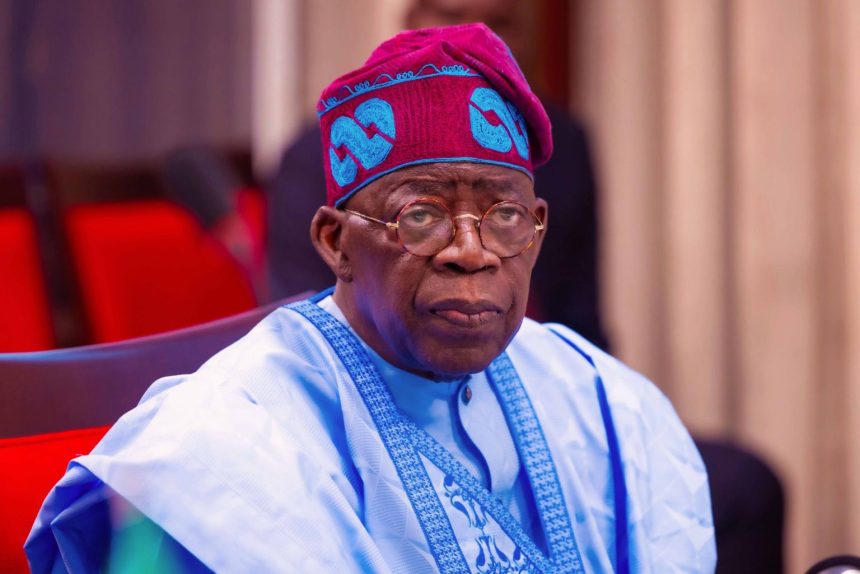
The decision by the National Working Committee (NWC) of the ruling APC to waive fresh screening requirements for President Bola Ahmed Tinubu ahead of the party’s presidential primaries is far more than an administrative convenience. It is a strong political signal that the APC leadership has effectively closed the door to internal presidential contestation in 2027 and consolidated support around the incumbent president.
From a strategic political perspective, the move carries deep implications for intra-party democracy, opposition politics, elite power negotiations, and the overall trajectory of Nigeria’s 2027 elections.
At face value, the APC argues that President Tinubu had already undergone screening before the 2022 primaries and that asking him to appear again before another screening committee would be “redundant and unnecessary.” Technically, the party may be within its rights to make such a determination. Political parties in Nigeria enjoy broad discretionary powers in managing their internal affairs.
However, the timing and symbolism of the waiver reveal a broader political calculation.
First, the APC leadership is attempting to project unity and stability around Tinubu’s re-election bid at a time when Nigeria continues to grapple with economic hardship, inflation, insecurity, and public dissatisfaction over governance outcomes. By removing even the appearance of internal competition, the party seeks to prevent factional battles that could weaken its electoral machinery before the general election.
This strategy mirrors a longstanding pattern in Nigerian politics where incumbent presidents often become the unquestioned candidates of their parties. Once a president controls party structures, governors, lawmakers, and financial networks, party primaries gradually become ceremonial rather than competitive exercises.
The APC statement itself confirms this reality by citing endorsements from governors, National Assembly members, and other party organs. In Nigerian politics, such endorsements are not merely symbolic gestures; they are indicators of where institutional power and patronage structures are aligning.
Yet, while the APC may view this as political pragmatism, critics will likely interpret it as another blow to internal democracy.
Political parties are expected to provide platforms for ideological debate, leadership assessment, and democratic competition. Waiving screening requirements for one aspirant—particularly the sitting president—creates the perception that party rules apply differently depending on political status. It reinforces a dangerous culture where institutions bend around powerful individuals instead of operating through transparent procedures.
This perception could have long-term consequences for democratic consolidation in Nigeria.
One major implication is the likely discouragement of younger or reform-minded politicians within the APC who may aspire to national leadership in the future. If party processes appear predetermined, ambitious politicians may either defect, remain politically suppressed, or seek alternative platforms.
Another implication concerns opposition strategy heading into 2027.
Ironically, APC’s early consolidation around Tinubu could pressure opposition parties into hurried coalition talks. If the ruling party presents a united front while the opposition remains fragmented among competing personalities and regional interests, the electoral advantage naturally shifts toward the incumbent.
Nigeria’s electoral history shows that incumbency remains a formidable weapon. Control of state structures, access to resources, influence over party machinery, and elite alliances often provide sitting presidents with enormous leverage during elections. The APC’s decision appears designed to maximize these advantages early.
However, the move also carries political risks for Tinubu and the APC.
One risk is overconfidence.
Political endorsements from governors and party elites do not automatically translate into grassroots electoral acceptance. Nigeria’s political environment has become increasingly volatile, with economic hardship shaping public mood more intensely than elite endorsements. Rising living costs, unemployment, insecurity, and frustration among young voters could weaken the traditional influence of political structures.
The 2023 elections already demonstrated that Nigerian voters—especially urban youths—can disrupt conventional political calculations through social mobilization and issue-based voting.
Another risk is the possibility of silent resentment within the APC itself.
In Nigerian politics, public endorsements do not always reflect genuine loyalty. Many politicians align publicly with power while privately negotiating future alternatives. If governance challenges persist or if Tinubu’s popularity declines significantly before 2027, dormant factions within the party could quietly re-emerge despite current displays of unity.
There is also the broader constitutional and democratic concern.
Democracy thrives not merely on elections, but on credible competition. When ruling parties increasingly centralize power around incumbents and reduce internal contestation, citizens may begin to lose confidence in political processes altogether. Such disillusionment can fuel voter apathy, political cynicism, and social tension.
For the opposition, this development should serve as both warning and opportunity.
The warning is obvious: defeating an incumbent president backed by a unified ruling party structure will require unprecedented coordination, strategic messaging, and credible alternatives.
The opportunity lies in public perception. If Nigerians begin to view the APC as intolerant of internal democracy or excessively centralized around one individual, opposition parties may capitalize on demands for accountability, transparency, and inclusive governance.
Ultimately, the APC’s waiver for Tinubu is less about procedural convenience and more about political messaging. The party is signaling that, barring unforeseen developments, President Tinubu is its uncontested standard bearer for 2027.
Whether that strategy strengthens the APC or deepens public frustration will depend largely on the administration’s performance between now and the elections.
In the end, Nigerians may care less about party endorsements and more about one central question: has governance improved their lives enough to justify another mandate?