Agricultural expert warns that rising feed prices, expensive farm inputs and inadequate market structures threaten Nigeria’s food production capacity.
YENAGOA, BAYELSA STATE – Agricultural expert and agribusiness consultant, Mr. Kester Amos, has called on the Federal and State Governments to intensify support for smallholder farmers through subsidised agricultural inputs, equipment provision, accessible soft loans and practical intervention programmes as part of efforts to strengthen food security in Nigeria.
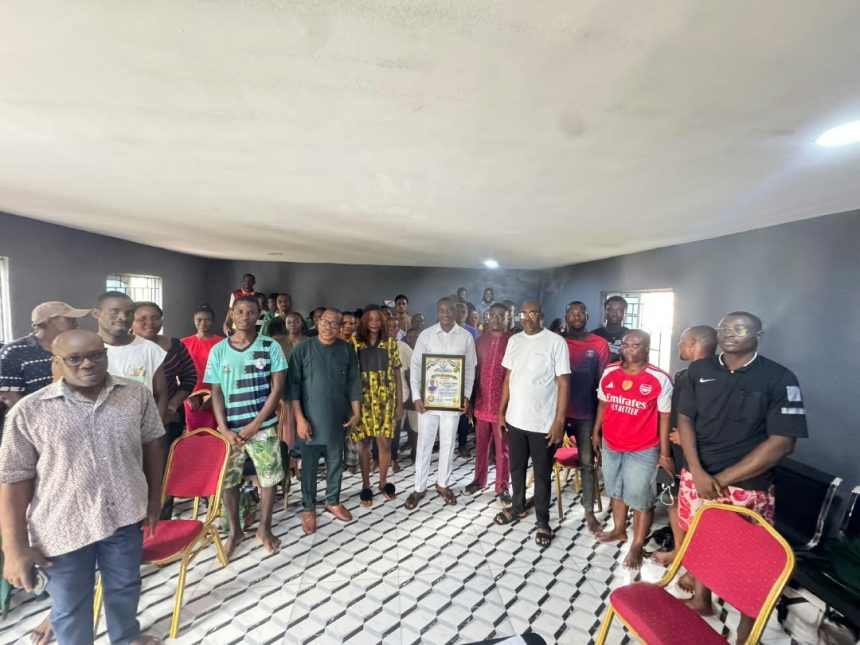
Amos, Managing Director/Chief Executive Officer of KesterAmos Consultancy Services Limited (KACS), Yenagoa, made the call during an interview with journalists following the presentation of the Nigerian Living Heroes Award 2026 to him by the Nigerian Association of Christian Journalists (NACJ).
Speaking on the challenges confronting food production in Nigeria, Amos identified the rising cost of livestock feed, expensive farm inputs, high prices of day-old chicks and parent stock, as well as the absence of a well-structured centralised agricultural market as major obstacles confronting farmers.
According to him, the increasing cost of production is making it increasingly difficult for farmers to sustain their businesses and meet the growing demand for food across the country.
“Food security is a major problem in our country, especially with the growth of our population,” he observed, stressing that addressing the situation requires deliberate government intervention and policies that directly improve farmers’ capacity to produce.
He particularly emphasised the importance of smallholder farmers, who, according to him, account for approximately 70 to 80 per cent of Nigeria’s agricultural production output.
Amos warned that any situation that undermines the productivity of smallholder farmers could have serious consequences for national food security.
“If the smallholder farmer begins to struggle to produce, then we have a major problem in our hands,” he said.
He therefore urged governments at all levels to prioritise small-scale farmers by providing affordable agricultural inputs, modern farming equipment and genuine soft loans to enable them to operate at optimal production levels.
The agribusiness consultant maintained that government intervention should go beyond policy pronouncements to practical programmes that address the everyday challenges of farmers.
He also identified the high cost of livestock feed as one of the most pressing challenges facing animal production in Nigeria, noting that poultry farmers, in particular, are struggling with the rising cost of day-old chicks.
Giving an example, he disclosed that a day-old chick currently costs as much as N2,500, even before the farmer begins spending money on feeding and other production requirements.
Beyond production costs, Amos drew attention to the challenges farmers encounter in marketing their products, lamenting the absence of a centralised market structure that would guarantee fair prices for agricultural produce.
He explained that farmers are often compelled to accept prices determined by buyers rather than enjoy a structured market system that protects their investments and ensures reasonable returns.
On the declining interest of Nigerian youths in agriculture, Amos blamed inadequate awareness, poor implementation of agricultural policies and the failure to make farming attractive as a viable business venture.
He disclosed that a significant number of students studying agriculture in Nigerian universities did not originally choose the course, arguing that the perception of agriculture as a poor man’s occupation must be urgently addressed.
According to him, agriculture remains one of the strongest foundations of a sustainable economy and should be presented to young Nigerians as a profitable avenue for wealth creation, employment and entrepreneurship.
“Farming is not a poor man’s job. Some of the wealthiest people in the civilised world are farmers. But until we make farming appealing to the youth, we are going to continue to have this issue,” he stated.
Amos, who also engages in agricultural training and human capacity development, said he has continued to train students and young people in practical agriculture to demonstrate the economic opportunities available in the sector.
He called for increased investment in agricultural education, youth sensitisation, entrepreneurship programmes and reforms capable of attracting a new generation of farmers.
While acknowledging what he described as gradual efforts by the present administration to reposition the agricultural sector, he maintained that more concrete actions were required to close existing gaps.
“The mainstay of any reasonable economy is agriculture, not oil, not politics. The oil boom has actually pushed agriculture to one side, and today we are seeing the consequences,” he said.
He urged the government to move beyond policy announcements and focus on effective implementation, insisting that meaningful support for farmers remains essential to increasing food production and achieving national food security.
NACJ HONOURS AGRICULTURAL EXPERT
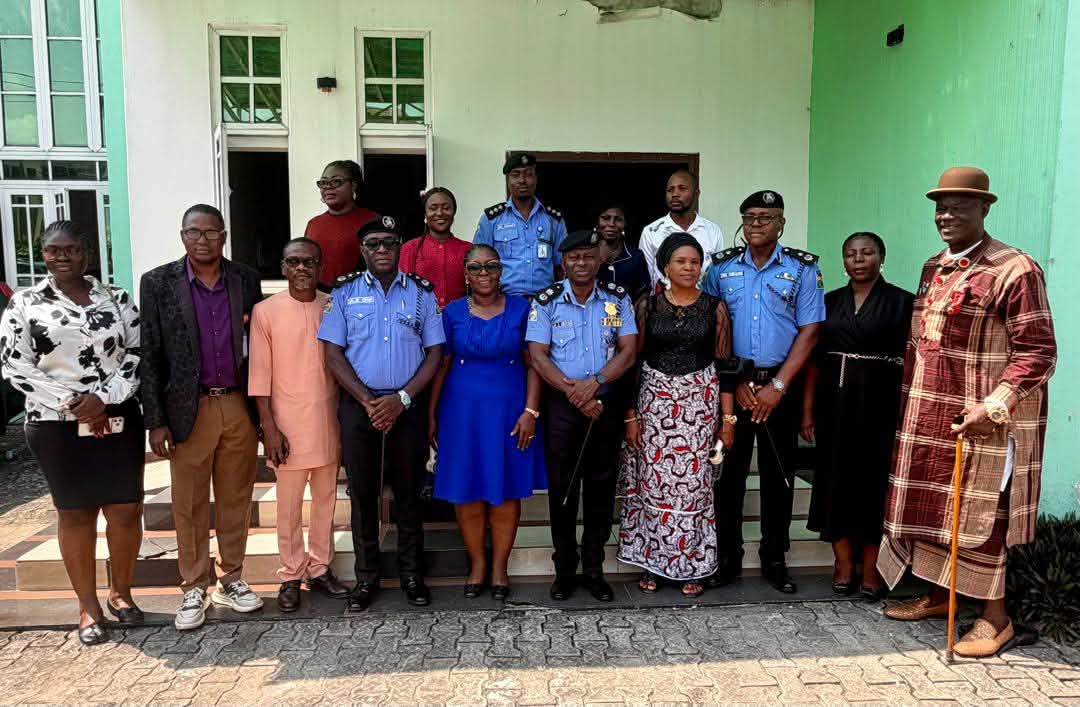
The interview followed the presentation of the Nigerian Living Heroes Award 2026 to Amos by the Nigerian Association of Christian Journalists in recognition of his contributions to agricultural development, livestock production, agribusiness consultancy and human capacity building.
As Managing Director/CEO of KesterAmos Consultancy Services Limited, Amos is involved in livestock farm development, agricultural production, farm construction and management, consultancy and professional training.
The association said his commitment to modern livestock production, farmer empowerment and agricultural knowledge-sharing informed his selection for the prestigious recognition.
In his response, Amos expressed appreciation to NACJ for the honour, describing it as a motivation to deepen his commitment to service and development.
He also acknowledged the contributions of members of his professional team, particularly the Kepzai World Consortium, noting that achievements celebrated publicly often result from the collective efforts of people working behind the scenes.
The award presentation formed part of NACJ’s activities during its Annual Conference in Yenagoa, Bayelsa State.
Through the recognition, the association reaffirmed the importance of celebrating Nigerians whose professional contributions and commitment to humanity are helping to advance national development.