ILA-ORANGUN, OSUN STATE —
The Police Mobile Force Training College, Ila-Orangun, Osun State, has passed out 11 police officers who successfully completed a one-month Conversion Course designed to prepare personnel transitioning from the Regular Police for the specialised operational responsibilities of the Police Mobile Force.
The passing-out ceremony, held on Tuesday, September 22, 2026, was marked by commendations for the graduating officers, renewed emphasis on professional policing and human-rights compliance, as well as significant gestures of support from the Ebonyi State Government and the graduating personnel.
A major highlight of the ceremony was the presentation of a solar electricity facility donated to the College by the Executive Governor of Ebonyi State, Rt. Hon. Bldr. Francis Ogbonna Nwifuru.
The graduating officers also presented 10 walkie-talkies to the Training College to support authorised training activities and institutional operations.
The ceremony attracted senior police officers, instructors, traditional rulers, representatives of the Police Mobile Force, members of the host communities and other stakeholders who gathered to witness the successful completion of the officers’ specialised training.
Preparing Officers for PMF Responsibilities
The one-month conversion programme was specifically designed to provide officers moving from the Regular Police into the Police Mobile Force with the professional knowledge, operational orientation and practical skills required to function effectively within their new assignments.
Unlike routine police duties, PMF operations often require specialised preparation for internal-security duties, public-order management, emergency response and operations in challenging environments.
Against this background, the course exposed the participants to both theoretical instruction and practical exercises intended to strengthen their understanding of PMF doctrine, command structures and operational procedures.
The curriculum covered the history and evolution of the Police Mobile Force, its roles and responsibilities, internal-security operations, standard operating procedures, command and control, leadership, discipline, field operations, communication and operational reporting.
The participants also received instruction in human rights and professional policing, public order and community security, emergency response, physical fitness and endurance, first aid, conflict management, operational intelligence and difficult-terrain activities.
Integrated field exercises formed part of the programme, allowing the officers to apply classroom knowledge in practical situations while developing teamwork, communication and decision-making skills.
AIG Francis Idu Represented at Ceremony
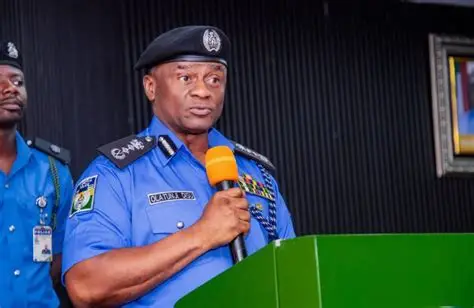
The Assistant Inspector-General of Police in charge of the Police Mobile Force, AIG Francis Idu, was represented at the ceremony by ACP Ige Adekunle, Commander, MOPOL 39, Osogbo.
AIG Idu was unable to attend the ceremony personally because of his participation in an official retreat in Imo State.
In his address delivered on behalf of the AIG, ACP Ige Adekunle congratulated the graduating officers and commended the management and instructors of the Training College for their commitment to professional development.
He reminded the officers that successful completion of the course marked the beginning, rather than the end, of their professional responsibility to continue learning and adapting to the demands of modern policing.
He urged them to apply the knowledge acquired during the training in their respective formations and maintain the discipline expected of personnel serving in the Police Mobile Force.
The AIG also stressed the importance of professionalism, continuous training, operational discipline and respect for human rights in the discharge of police duties.
He encouraged the officers to maintain responsible relationships with members of the public and ensure that their conduct reflected the values and responsibilities of the Nigeria Police Force.
Commandant: Training Must Translate to Effective Service
The Commandant of the Police Mobile Force Training College, ACP Anietie Akpan Eyoh, also congratulated the graduating officers for successfully completing the demanding programme.
He commended their discipline, commitment and endurance throughout the one-month course, noting that the training was structured to equip them with the professional orientation and practical competencies required for effective service within the PMF.
According to the Commandant, the quality of police operations is closely connected to the quality of training received by personnel.
He therefore encouraged the graduates to regard continuous professional development as an essential part of their careers and to remain committed to improving their knowledge and operational skills.
ACP Eyoh also expressed appreciation to the Inspector-General of Police for efforts aimed at strengthening professional standards and operational capacity across the Nigeria Police Force.
He acknowledged the support of the leadership of the Police Mobile Force towards the development of human capacity and the strengthening of specialised police training.
Ebonyi Governor Supports Training College
The donation of a solar electricity facility by the Ebonyi State Governor emerged as one of the most significant moments of the ceremony.
The facility was donated by Rt. Hon. Bldr. Francis Ogbonna Nwifuru and facilitated through ACP John Ogobuchi Nwede, Commanding Officer, 32 PMF, Abakaliki, who participated in the conversion course.
The solar installation is expected to provide electricity support for the Quarter Guard and also contribute to the College’s planned Starlink satellite internet facility.
The initiative is expected to strengthen the College’s electricity and communication infrastructure, subject to the technical configuration and capacity of the installation.
The development was particularly significant against the background of the increasing importance of reliable power and communication infrastructure to modern police training.
Reliable electricity can support training administration, security operations, communication and the use of technology, while enhanced connectivity can facilitate access to information and digital resources.
The Commandant expressed appreciation to Governor Nwifuru for the gesture, describing the intervention as a meaningful contribution towards improving facilities at the institution.
Graduates Give Back to Training Institution
In a reciprocal gesture of institutional support, the graduating officers collectively donated 10 walkie-talkies to the Training College.
The communication equipment was presented to support authorised training activities and other institutional operations.
The donation reflected the officers’ appreciation for the training received and their desire to contribute to the continued development of the institution that prepared them for their new responsibilities.
The Commandant thanked the graduating personnel for the gesture and noted that the equipment would complement existing communication resources at the College.
Effective communication remains an important component of police training, particularly during field exercises where coordination, command and timely transmission of information are essential.
Traditional Institutions and Host Communities Recognised
The passing-out ceremony also provided an opportunity for the College to recognise the contributions of traditional rulers and members of the host communities to the success of the training programme.
Particular appreciation was extended to the Oba of Oke-Ila, who contributed to the intellectual development of the trainees by delivering a lecture on human rights.
The involvement of traditional institutions in the training programme underscored the importance of connecting professional policing with the realities of community relations.
The Commandant commended the Royal Fathers and members of the host communities for their cooperation, hospitality and support throughout the programme.
He stressed that effective policing cannot be achieved through law-enforcement institutions alone, noting the importance of constructive relationships between security agencies, traditional institutions and local communities.
Human Rights at the Centre of Professional Policing
One of the recurring themes of the course was the need for police officers to balance operational effectiveness with respect for the rights and dignity of members of the public.
The inclusion of human-rights education, conflict management and professional policing in the curriculum reflected the broader responsibility of police personnel to operate within the law while responding effectively to security challenges.
The officers were exposed to principles of responsible engagement with the public and the importance of maintaining professionalism even in difficult operational circumstances.
For the graduating officers, the training therefore represented more than a transition from one police formation to another. It was also an opportunity to reinforce the discipline, ethical standards and operational responsibilities expected of personnel entrusted with internal-security duties.
Physical and Field Training
Beyond classroom instruction, the course incorporated physical and field-based activities aimed at strengthening the officers’ endurance and preparedness.
Physical fitness, difficult-terrain activities, emergency response and integrated field exercises formed part of the programme.
Such practical components were designed to familiarise the officers with the demands of field operations and reinforce teamwork, discipline, communication and the ability to function effectively under challenging circumstances.
The combination of classroom instruction and practical exercises provided the graduating personnel with a broader understanding of the responsibilities attached to PMF service.
A New Responsibility for the Graduates
With the presentation of certificates, the 11 officers formally completed their conversion training and are expected to return to their respective formations with the knowledge and skills acquired at Ila-Orangun.
Their successful completion of the course marks another stage in their careers within the Nigeria Police Force and places on them the responsibility of translating their training into professional and effective service.
They were urged to remain disciplined, uphold the law, respect human rights and continue developing their professional competencies.
Stakeholder Support for Police Training
The ceremony also highlighted the importance of collaboration in the development of police training infrastructure.
The solar facility donated by Governor Nwifuru, the walkie-talkies provided by the graduating officers and the support received from traditional rulers and host communities collectively demonstrated the role stakeholders can play in complementing institutional efforts.
While police training remains primarily an institutional responsibility, support from government authorities, communities and other stakeholders can contribute to improving the environment in which personnel are trained.
For the Police Mobile Force Training College, the contributions represent additional resources that can support its training mandate.
College Reaffirms Commitment to Capacity Development
The passing-out ceremony ultimately reaffirmed the role of the Police Mobile Force Training College, Ila-Orangun, as a centre for professional development and operational preparedness within the Nigeria Police Force.
The successful completion of the conversion course also underscored the continuing need for specialised training as police personnel take on increasingly complex security responsibilities.
As the 11 officers leave the College for their respective formations, the emphasis remains on translating training into responsible service, operational effectiveness, discipline and respect for the rule of law.
The ceremony ended with the presentation of certificates to the successful participants and renewed calls for continuous professional development within the Nigeria Police Force.
For the graduating officers, the conclusion of the one-month course is not simply the end of a training programme. It represents the beginning of a new phase of responsibility — one in which the knowledge, discipline and operational skills acquired at Ila-Orangun will be tested in the realities of policing and national security.